
Table of Contents
Maximizing Flexibility in Concrete Batching Plant Setup
Setting up a concrete batching plant for maximum flexibility is crucial for ensuring efficiency, quality and adaptability in various construction projects. Concrete batching plants allow for the mixing and distribution of concrete in precise proportions, which is essential for achieving the desired strength and consistency in the finished product. This is especially important when dealing with diverse projects that require different types of concrete, such as ready-mix concrete, self-loading concrete mixers or construction concrete mixers. By understanding how to optimize your concrete equipment and operations, you can ensure that your batching plant can handle different project requirements with ease and precision.
 Email Us Today!
The Importance of Concrete Mixer Equipment in Diverse Construction Projects
The choice of concrete mixer is a critical factor when setting up a batching plant. Different projects require different types of concrete mixing equipment. For example, a construction concrete mixer is generally used for large-scale building projects, whereas smaller projects might require a self-loading concrete mixer for better maneuverability and flexibility on-site.
In India, where the demand for high-quality concrete is on the rise, the use of robust concrete equipment such as a ready-mix concrete pump or concrete mixture machines has become common in the construction industry. These machines are designed to ensure that concrete is mixed, transported and poured without issues. The mixer construction equipment is often customized for various needs, such as the type of concrete required (e.g., high-strength or self-compacting) and the location of the project.
Steps to Set Up a Concrete Batching Plant
Setting up a concrete batching plant requires careful planning and attention to detail. From selecting the right concrete mixer to configuring the plant layout, each step contributes to the plant’s efficiency and adaptability for diverse projects. Below are the key steps to set up a concrete batching plant that is flexible enough for a wide range of construction projects.
Choose the Right Concrete Mixer
Selecting the appropriate concrete mixer is fundamental to the overall success of your batching plant. The concrete mixer you choose should be able to handle different types of concrete mixes and be able to operate under varying site conditions.
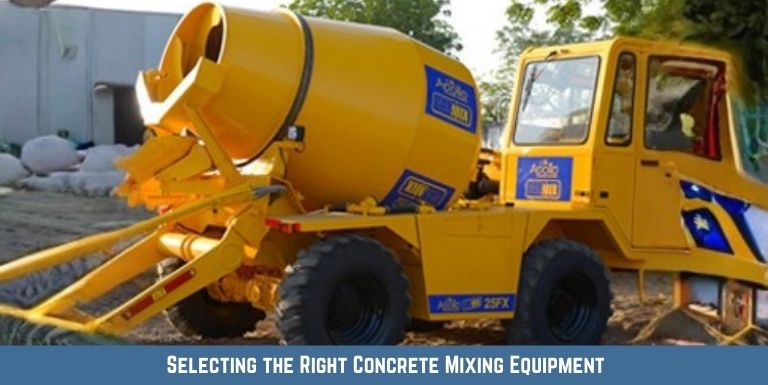
For projects in India and other regions with varying construction requirements, self-loading concrete mixers are often an ideal choice. These mixers are designed to mix and load the concrete in one go, reducing the need for additional equipment and making them highly efficient for projects that require mobility and flexibility. A self-loader mixer can be used for road construction, building work and even infrastructure projects.
Another option for larger-scale construction projects is a ready-mix concrete pump, which is used to deliver pre-mixed concrete directly to the construction site. This concrete equipment is essential for projects that require large volumes of concrete to be delivered on time and with precision.
Ensure Adequate Storage and Material Handling Systems
A concrete batching plant requires a range of materials, including cement, sand, aggregates and water, to be stored and handled efficiently. To ensure maximum flexibility for various projects, the plant should have storage systems that can accommodate different quantities of raw materials depending on the project scale.
For instance, storage silos for cement should be large enough to handle multiple types of cement if different grades or types of concrete are required. Aggregate storage should be divided into various bins to separate different sizes of sand and gravel, ensuring that the correct proportion can be mixed according to the project’s requirements.
Our Other Product
Concrete Block Making MachineChoose the Right Concrete Mixing Equipment
Once you have selected the concrete mixer, the next step is ensuring that the concrete mixing equipment is up to the task. The mixing equipment plays a crucial role in determining the quality and consistency of the concrete produced.
For optimal performance, ensure that the plant includes high-quality mixing drums, discharge systems and conveyors for material transportation. A concrete mixer manufacturer that specializes in durable, high-performance equipment is essential for long-term reliability. For instance, some concrete machines are designed for continuous mixing, while others are suitable for batch mixing, depending on the project’s requirements.
Implement a Centralized Control System
To manage a flexible and efficient batching plant, it’s essential to implement a centralized control system. This system can automate the mixing process, monitor material levels and track production in real time, ensuring that all aspects of the plant are operating smoothly.
With the advancements in technology, modern concrete mixing plants are equipped with sophisticated control systems that allow operators to adjust the mix proportions, monitor equipment performance and optimize production schedules. This level of control is essential when dealing with diverse projects that require different types of concrete mixes.
Testimonials
“If you buy concreat equipment.
Batching plant, self loading transit mixer, automatic block making machine, Paver machine, and pipe making machine, automatic cage welding machine, etc…..
Good service giving Spares and service to”
– Rakesh Patel
Develop a Maintenance and Inspection Schedule
The longevity of your concrete batching plant depends largely on how well you maintain the equipment. Regular inspections and maintenance are vital for ensuring the plant runs smoothly and without interruption. As you plan for flexibility, consider implementing a preventive maintenance system to monitor key components, such as the self-loading concrete mixers, concrete mixture machines and concrete mixing equipment.
For example, self-loading mixers should be checked for wear and tear regularly, ensuring that the loading and mixing processes run efficiently on-site. Similarly, concrete pumps used for ready-mix concrete should be inspected for potential blockages or leaks that could impede the flow of concrete.
Select a Suitable Plant Location
The location of your concrete batching plant is another factor that affects flexibility. It should be positioned in such a way that it can service multiple types of projects across different regions. This is particularly important for projects that require the rapid supply of concrete, such as highway construction or large urban development projects.
A strategically located plant will reduce transportation time and cost, allowing you to serve a wide range of clients and industries. The location should also provide easy access to raw materials, water and labor.
Benefits of a Flexible Concrete Batching Plant
By setting up a concrete batching plant that is flexible and adaptable, you stand to gain a wide range of benefits for your business. Below are some of the key advantages:
Increased Productivity and Efficiency
A flexible concrete batching plant allows you to produce different types of concrete quickly and efficiently. This is especially important for large-scale projects where deadlines are tight and the ability to adjust production schedules is necessary. By using concrete mixers like the self-loader mixer or construction concrete mixers, you can meet varying demands without compromising on quality.
Cost Savings
Setting up a flexible plant helps reduce overall operational costs. By utilizing equipment such as ready-mix concrete pumps and self-loading mixers, you can reduce the need for multiple machines or labor, resulting in lower equipment and labor costs. Additionally, being able to produce different types of concrete on demand reduces the need for outsourcing, saving money in the long term.
Improved Concrete Quality
Consistency and quality are vital in every concrete project. A well-set-up batching plant ensures that all concrete mixes meet the required specifications. By integrating advanced concrete mixing equipment and automated systems, you can guarantee that each batch of concrete is mixed and delivered with the same level of precision and quality.
Enhanced Flexibility for Diverse Projects
A flexible batching plant can serve a variety of construction projects, from large infrastructure developments to smaller residential buildings. The ability to produce different types of concrete, such as high-strength mixes or self-compacting concrete, ensures that your plant can meet the demands of various industries, including residential, commercial and industrial construction.
 Call Now!
Compliance with Industry Standards
Concrete batching plants must comply with local regulations and industry standards. By choosing the right concrete equipment, you can ensure that your plant meets these requirements. This includes adhering to environmental regulations regarding dust control, noise and emissions, as well as meeting safety standards for workers.
Conclusion
In conclusion, setting up a concrete batching plant that is flexible and adaptable for diverse construction projects is an investment that pays off in the long run. By carefully selecting the right concrete mixer, optimizing your material handling systems and ensuring the proper maintenance of your equipment, you can ensure that your plant delivers consistent and high-quality concrete. The ability to mix and supply different types of concrete, such as ready-mix concrete or self-loading concrete, helps your business cater to a wide range of clients and industries. A well-designed batching plant not only boosts productivity and efficiency but also reduces costs and improves overall quality, making it an essential asset for any construction business.
Table of Contents